
Maths







Intent, implementation and impact
Intent
The 2014 National Curriculum for maths aims to ensure that all children:
- Become fluent in the fundamentals of mathematics
- Are able to reason mathematically
- Can solve problems by applying their mathematics
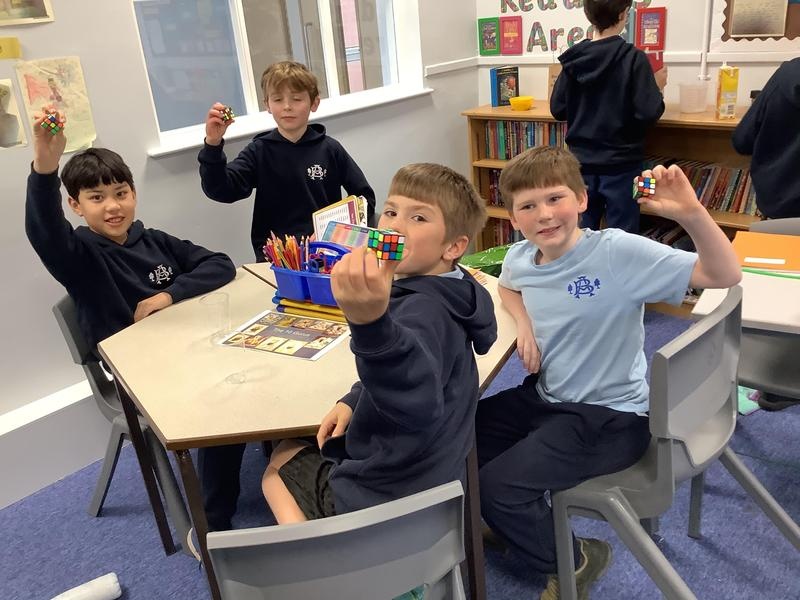
At Booker Avenue Juniors, the curriculum aims are embedded within daily basic skills and maths lessons and mathematical skills are developed consistently over time. We aim for all of our pupils to have strong foundational maths skills. We aim to develop efficient mathematicians, who know a range of methods to answer calculations and to solve problems and who can select the best method for a particular task. We are committed to ensuring that children are able to recognise the importance of maths in the wider world and to ensuring that they are also able to use their mathematical skills and knowledge confidently in their lives in a range of different contexts, as well as in different subjects. We want all our children to enjoy mathematics and to experience success in the subject, with the ability to calculate confidently and to reason mathematically across the curriculum. We are committed to developing children’s curiosity about the subject, as well as to developing an appreciation of the beauty and power of mathematics. We are also committed to ensuring that all pupils leave our school with a deep understanding of mathematical vocabulary.
Implementation
The following principles and features characterise our approach to teaching maths and convey how our curriculum is implemented:
- Teachers reinforce an expectation that all children are capable of achieving high standards in mathematics.
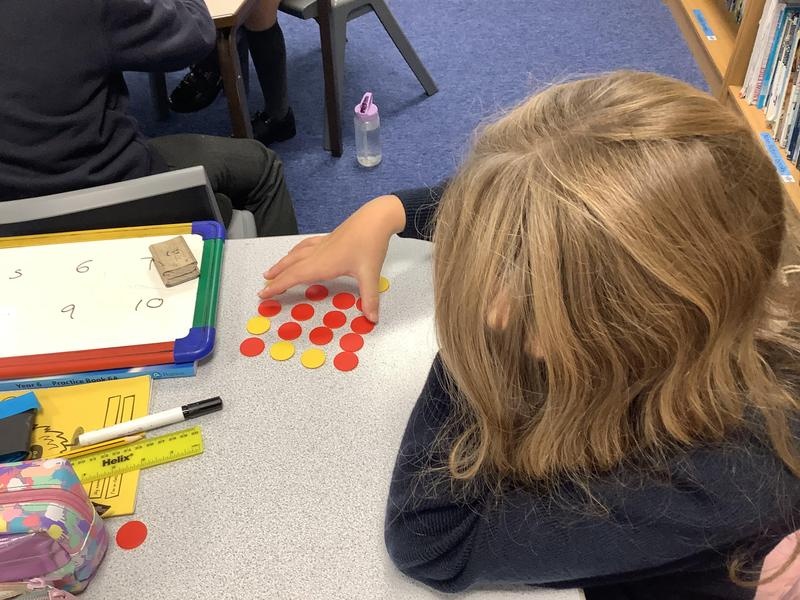
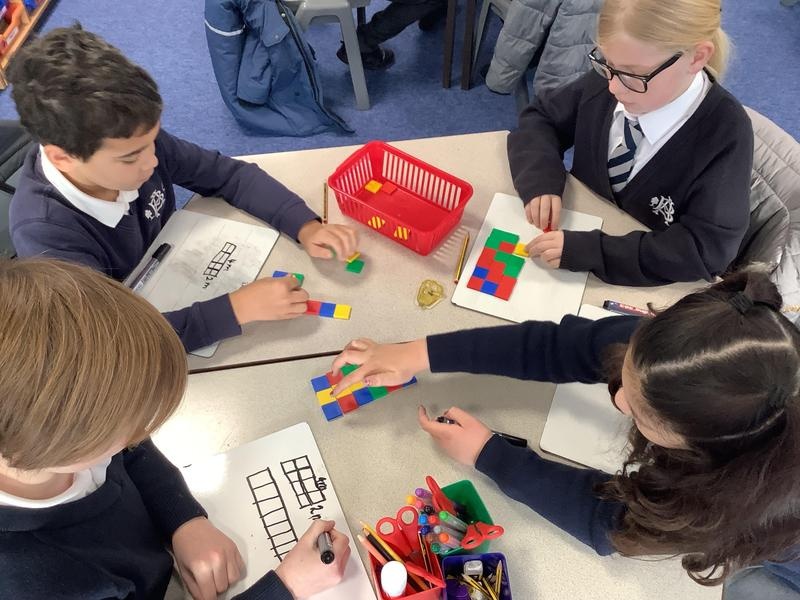
- The large majority of children progress through the curriculum content at the same pace. Pupils' understanding is extended using deepening activities and is supported through individual support and intervention. Concrete resources are regularly used to scaffold learning.
- Daily basic skills sessions are used alongside the main maths lesson to allow key skills and knowledge to be taught and revisited. This allows all pupils to access lesson objectives with a deeper understanding of the required skills and allows consistent development of foundational skills.
- Teaching is underpinned by methodical curriculum design and supported by carefully crafted lessons that foster deep conceptual and procedural knowledge.
- Practice and consolidation play a central role. Carefully designed variation within this builds fluency and a deep understanding of underlying mathematical concepts.
- Access to daily reasoning questions allows children to achieve mastery of mathematical concepts.
- Teachers use precise questioning in class to test conceptual and procedural knowledge and assess children regularly to identify those requiring intervention, so that all children keep up.
Power Maths
To ensure whole school consistency and progression, the school uses the DfE approved ‘Power Maths' scheme to teach the vast majority of our pupils.
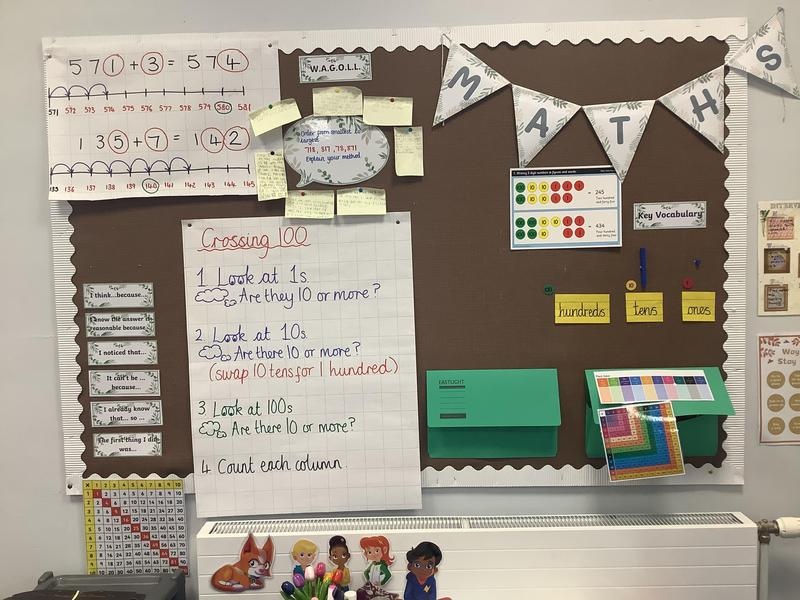
In Power Maths, mathematical topics are taught in blocks to enable the achievement of ‘mastery’ over time. For each year group, the curriculum strands are broken down into core concepts. These are taught in units and each unit is a block of lessons that give pupils sufficient time to develop a deep and sustainable understanding of the related core maths concepts. Each lesson and concept builds on prior knowledge to help children build a robust and deep understanding of the concept before moving on.
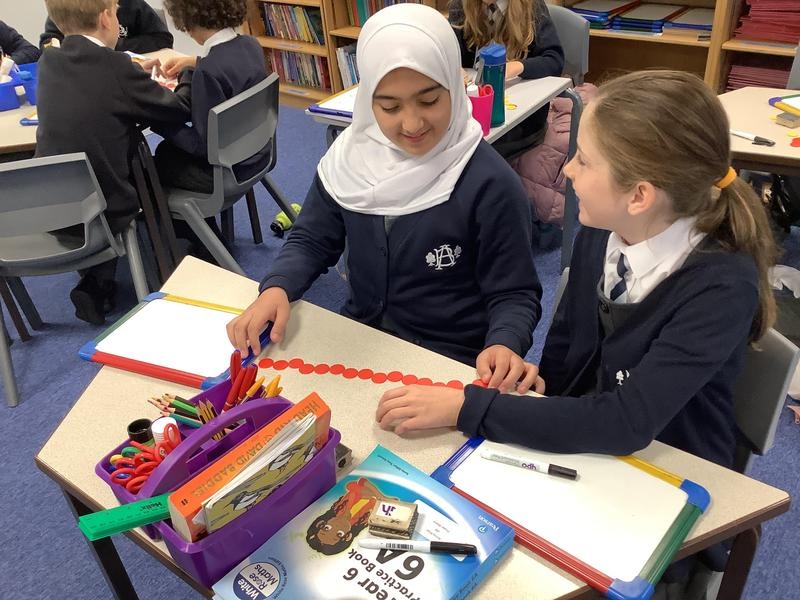
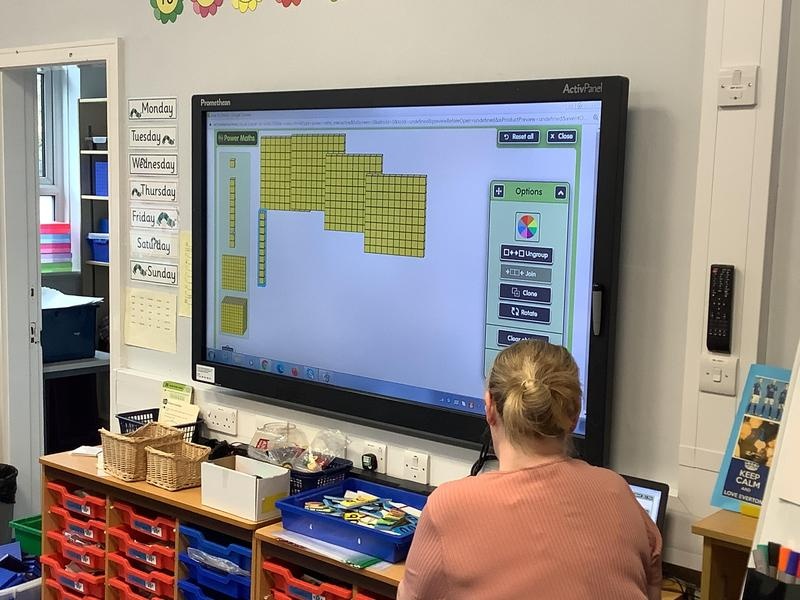
Power Maths is structured around a whole class interactive teaching model that focuses on helping all children to build a deep understanding of maths concepts and confidence in maths. New concepts are introduced at the start of a lesson within the context of an initial related problem, which children are able to discuss in partners. This initial problem-solving activity prompts discussion and reasoning, as well as promoting an awareness of maths in relatable real-life contexts that link to other areas of learning. Children may also use concrete resources to help them deepen their understanding. Teachers use careful questions to draw out children’s discussions and their reasoning. The class teacher then leads children through strategies for solving the real-life problem, including those already discussed. Teachers model further example questions, models and calculations relating to the topic being taught and pupils are given the chance to attempt further questions in pairs.
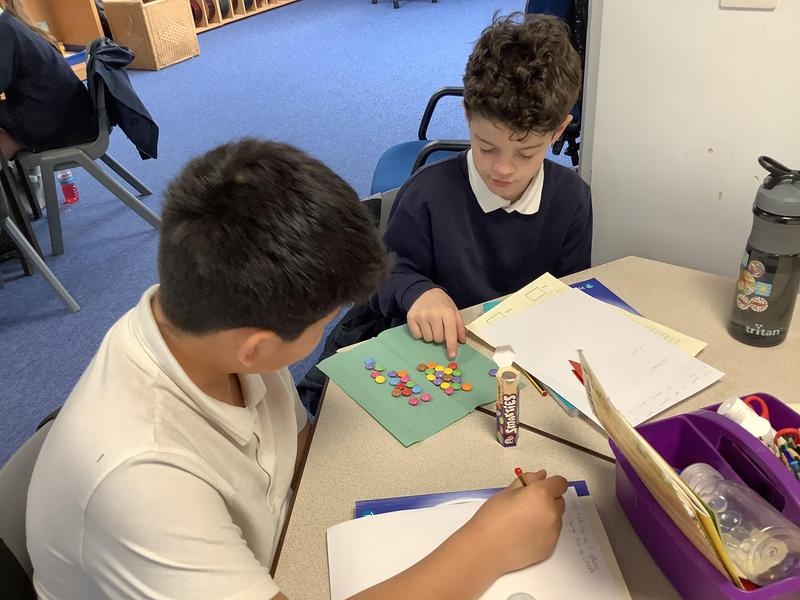
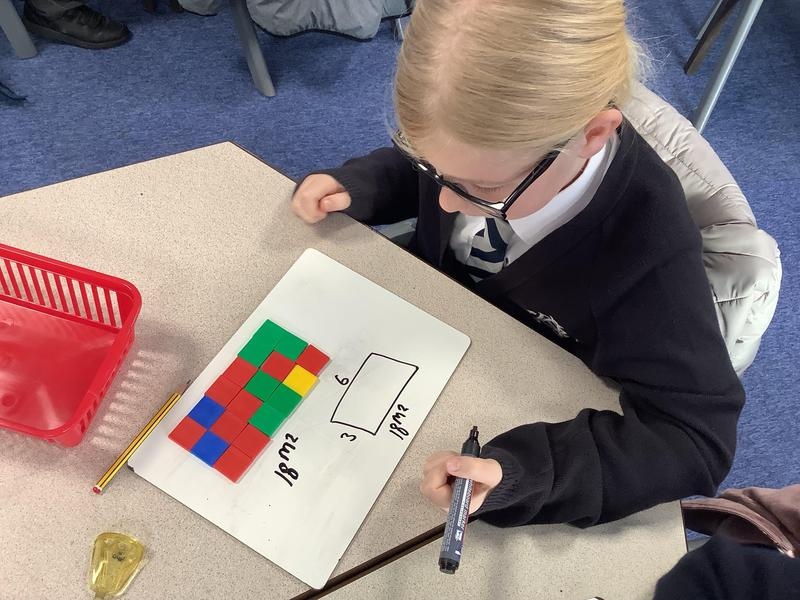
Daily independent work, which takes place in practice books, provides the means for all children to develop their fluency further, before progressing to more complex related problems. Each lesson phase provides the means to achieve greater depth, with more able children being offered rich and sophisticated problems, as well as exploratory, investigative tasks, within the lesson. Opportunities are also provided for deepening activities if pupils master the concept. Pupils who are less confident with a concept are supported by further modelling and practice of fluency questions. They are also supported using concrete resources and pictorial demonstrations. Same-day intervention is used to support pupils who have not fully grasped a concept, allowing them to keep up with the curriculum alongside their peers.
Mathematical vocabulary relating to each concept is modelled and taught within each unit of work.
To summarise, each Power Maths lesson is divided up into:
- A discover and share activity where children can share, reason and learn.
- Time for children to consider solutions as a class, with partners and independently.
- Time for teachers to model the step-by-step methods relating to the concept of the lesson.
- Time to practice the skills learnt to build fluency and develop deeper understanding of mathematical concepts. This will be in pairs and then independently.
- Time to try challenge questions linking to other areas of maths and encouraging children to reason, taking their understanding to a greater level of depth.
- Time to review and reflect on the lesson’s learning.
Times tables
To support the development of their key mathematical skills, pupils do daily practice of times tables from January of Year 3 throughout their time at Booker Avenue Juniors. At the start of Year 3, pupils are introduced to the concept of multiples using carefully designed lessons. Using Number Sense maths, they then rehearse times table facts daily, allowing them to develop automaticity in retrieving these facts, along with their related division facts. Models and images are used alongside learning by rote, to ensure that pupils have a conceptual understanding of what each of the times table facts mean. Pupils are offered the chance to practice their times table knowledge at home using TT Rockstars.
Basic skills
Daily basic skills maths sessions take place in all classes, focusing on the foundational skills required within each year group for pupils to be able to progress through the curriculum with confidence. These are designed to allow regular practice of important foundational skills, alongside pre-teaching of the core skills needed for upcoming topics.
Impact
The school has a supportive ethos and our approaches support the children in developing their collaborative and independent skills, as well as empathy and the need to recognise the achievement of others. Children can underperform in Mathematics because they lack confidence, think they can’t do it or are not naturally good at it. The Power Maths programme addresses these preconceptions by ensuring that all children experience challenge and success in mathematics by developing a growth mindset. Regular and ongoing assessment informs teaching, as well as intervention, to support and enable the success of each child.
Power maths overview documents
The documents below outline the key teaching strategies and characters used to deliver the Power Maths approach:
Content and Coverage By Year Group
The documents below outline the topics covered in our Power Maths lessons in each year group.
Basic skills objectives
The documents below outline the basic skills objectives that are taught throughout the year in each year group.
Calculation Policies
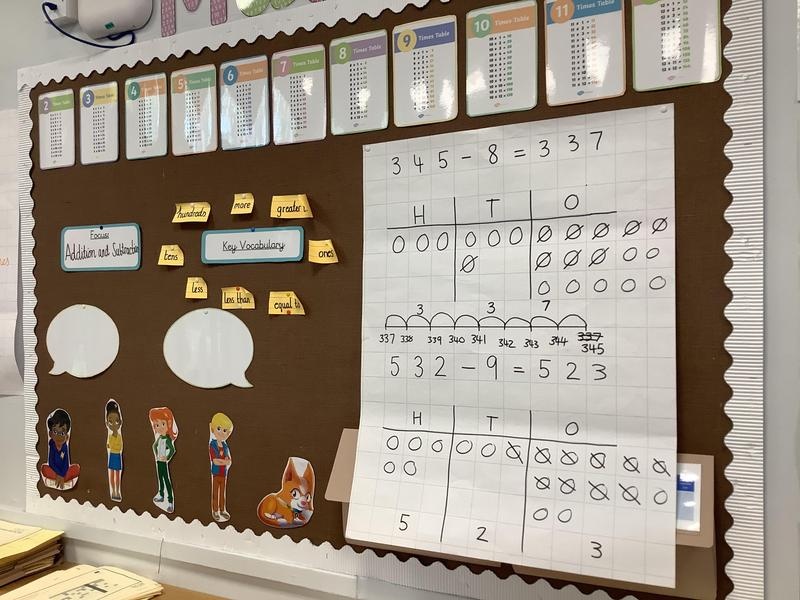
The calculation policy shows the Power Maths progression in calculation (addition, subtraction, multiplication and division) and how this works in line with the National Curriculum. This policy shows how the consistent use of the CPA (concrete, pictorial, abstract) approach across Power Maths helps children develop mastery in both written and mental methods across all the operations in an efficient and reliable way.
Work sample
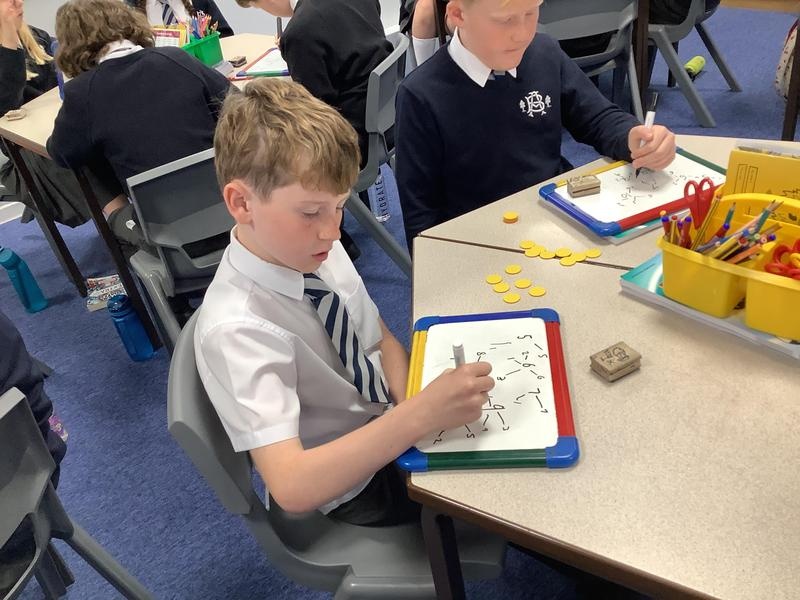
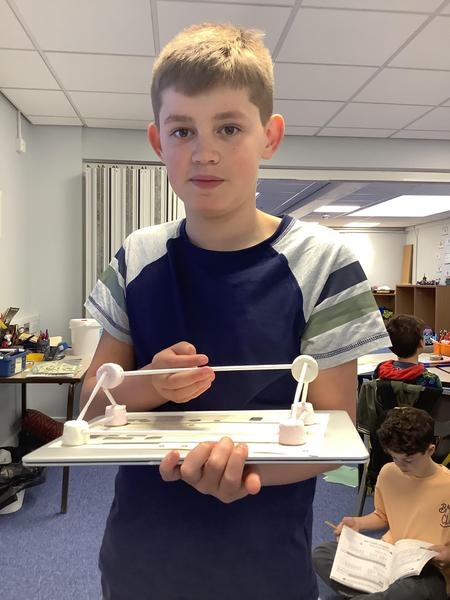
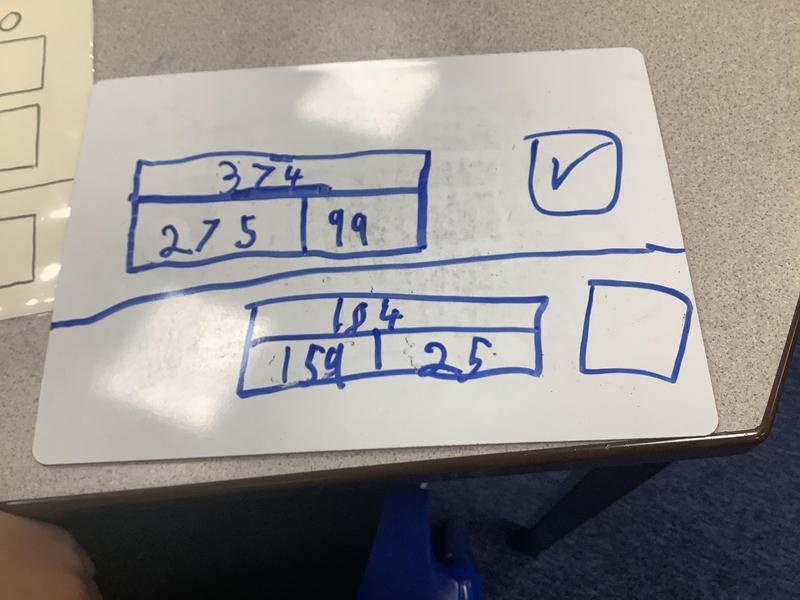
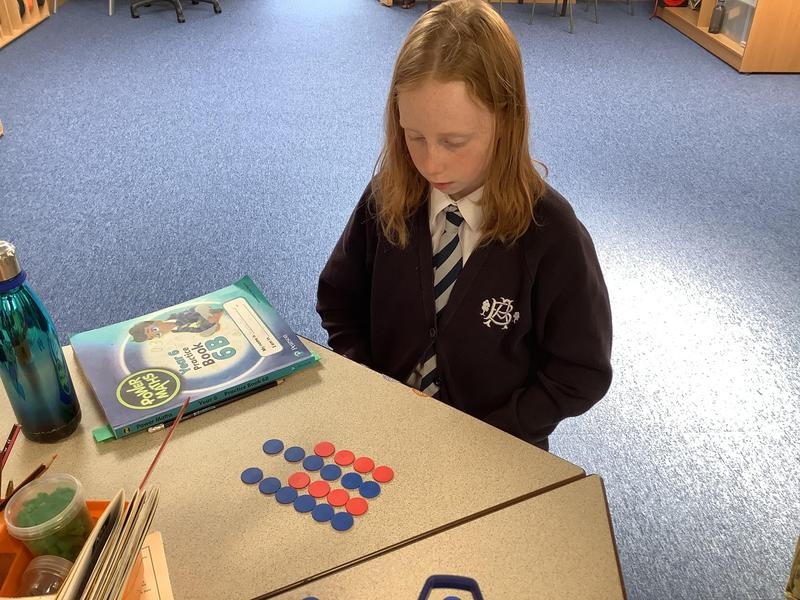
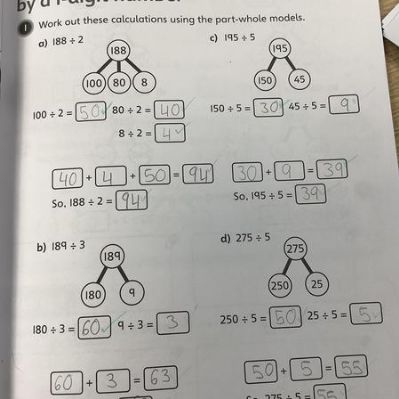
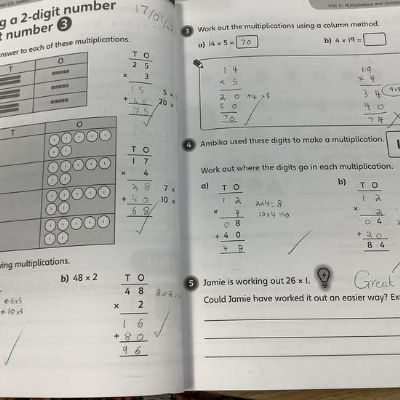
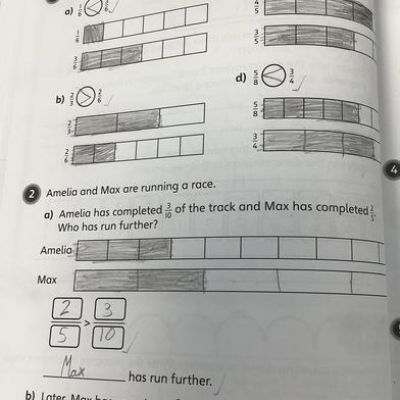
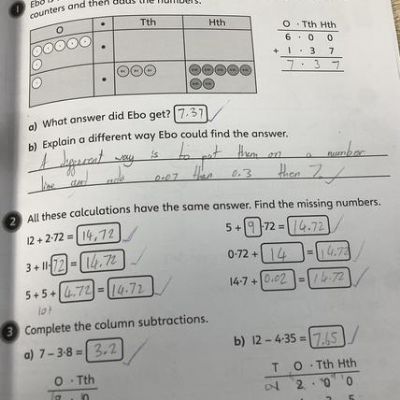
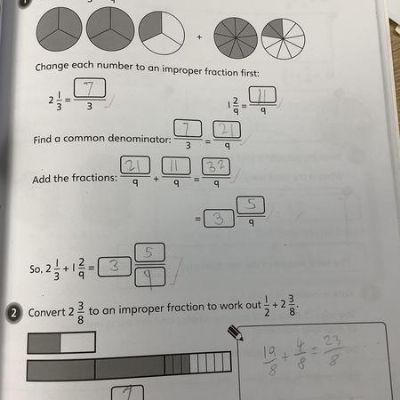
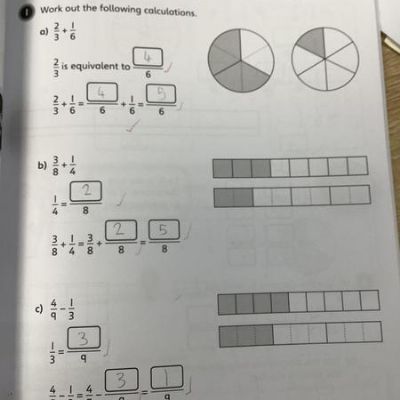
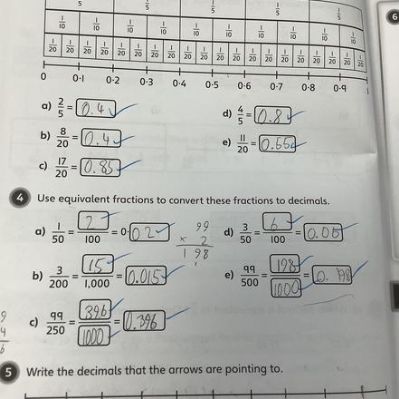
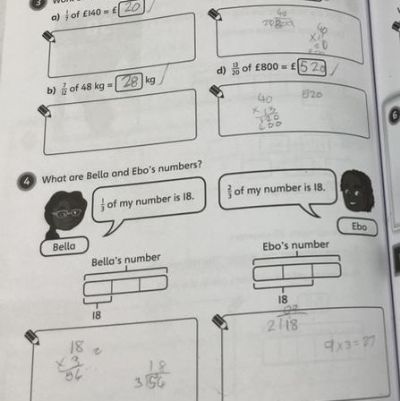
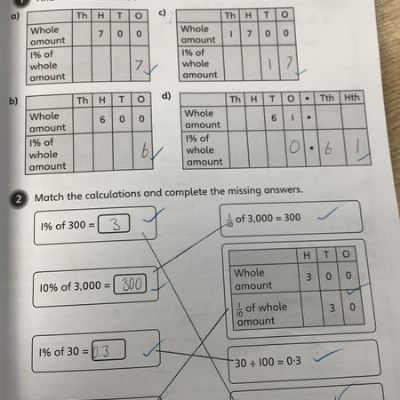
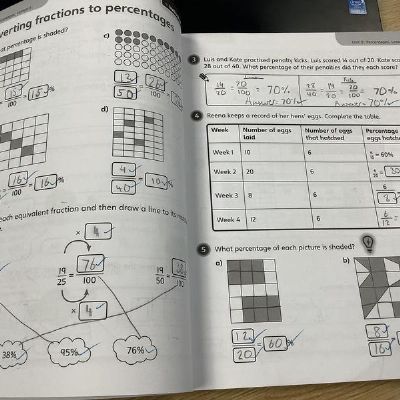
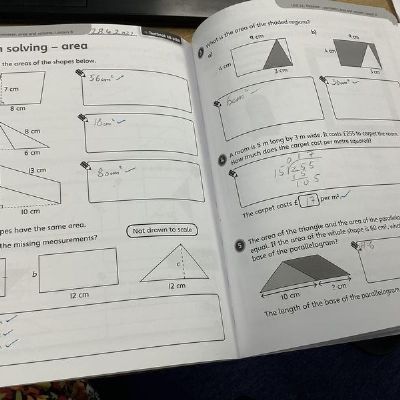
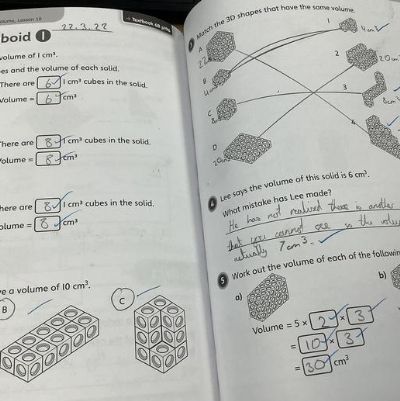
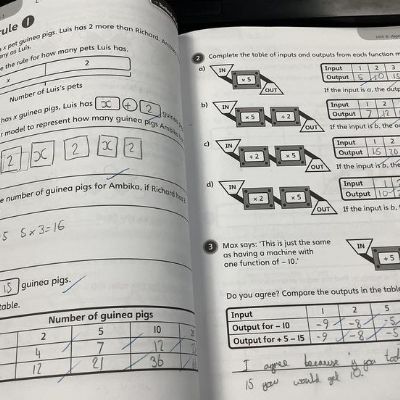
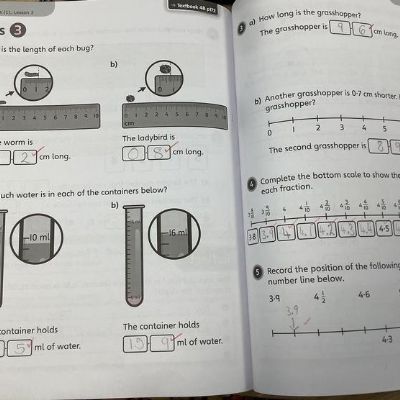
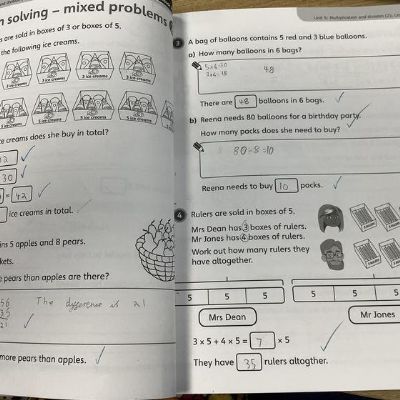
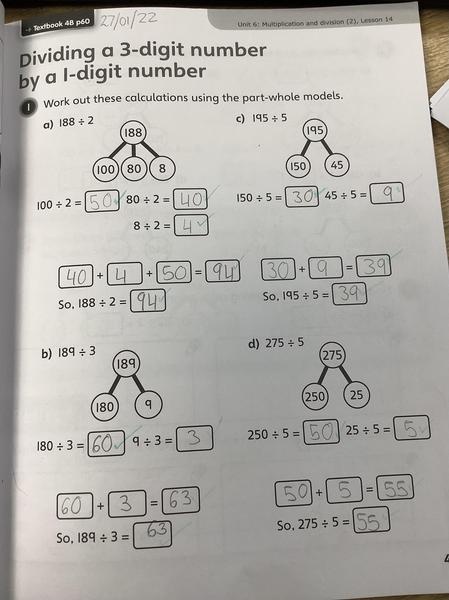
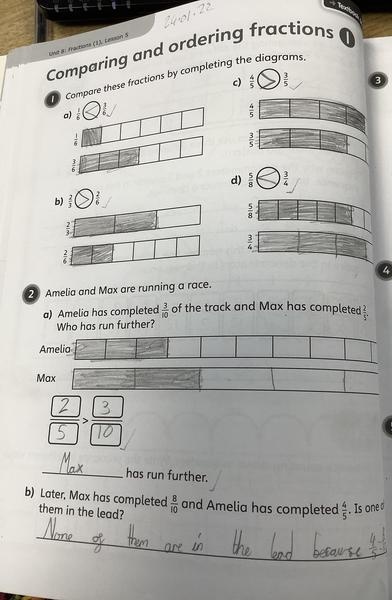
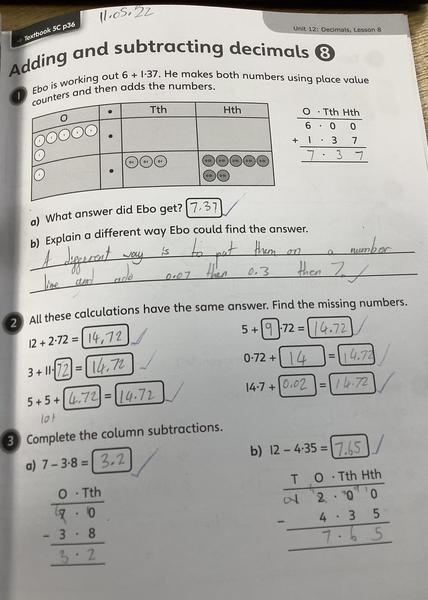
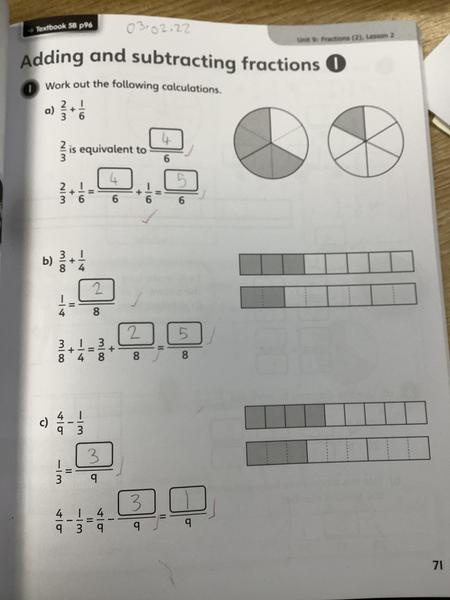
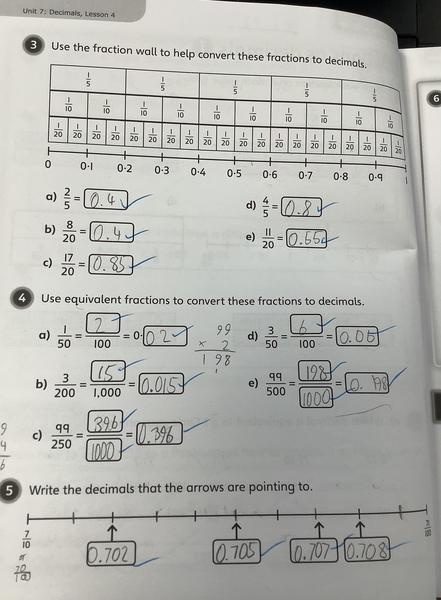
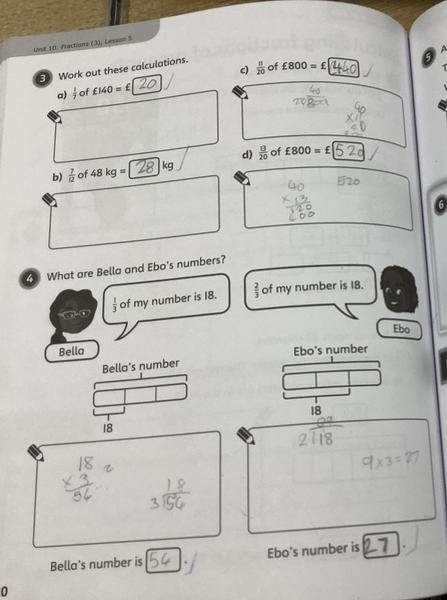
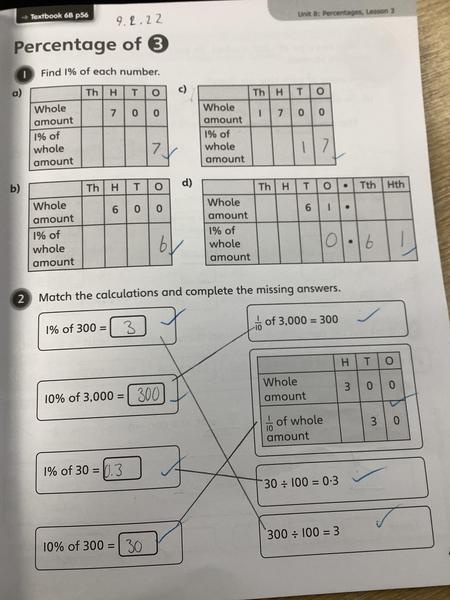
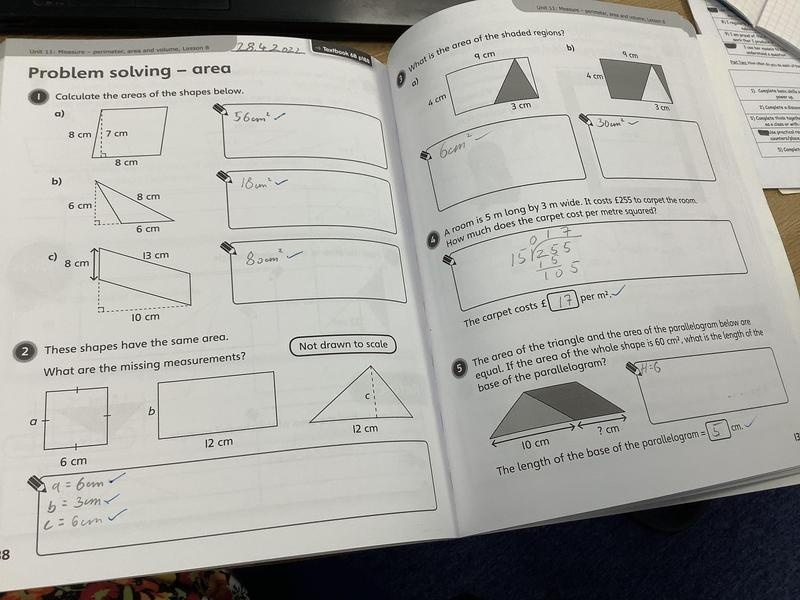
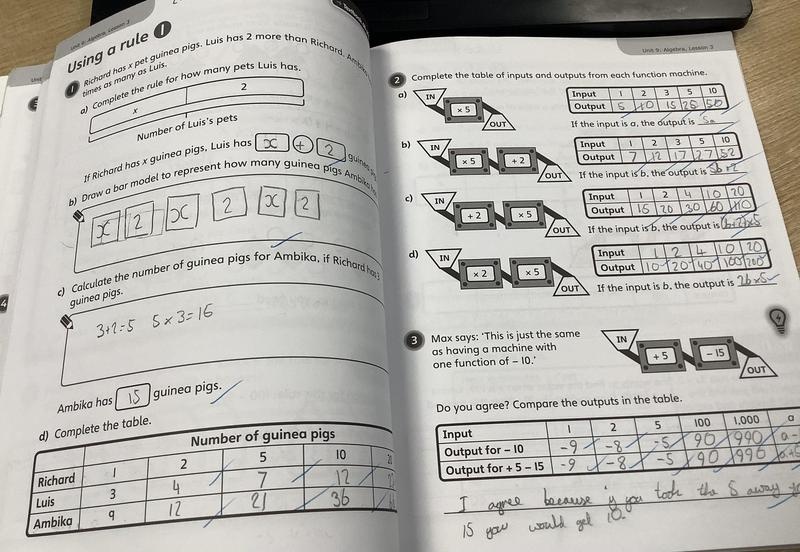
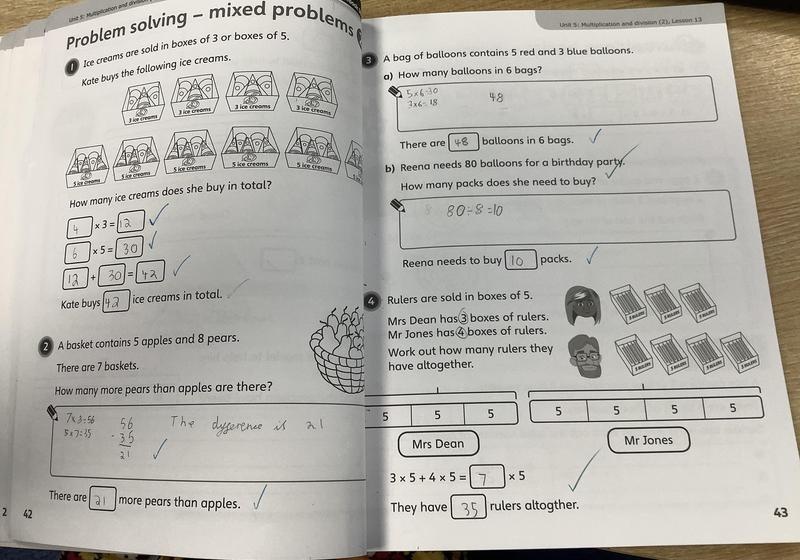
The photographs below demonstrate examples of mathematics work from Year 3 to Year 6. The work shown evidences how pictorial models are used within The Power Maths curriculum to support the understanding of the pupils. It also demonstrates the progression within a lesson, from practice of the skill being taught to application of the skill using worded and reasoning problems.
-
f384c195-9180-4b03-a95c-71f1f5d318801x1
-
4bbb6b62-b868-493b-a136-31107112d63f1x1
-
2d4f3a6e-1a10-4726-95b0-1b14b3386d461x1
-
4e964284-b648-4d7f-8689-52dbc41750e21x1
-
dce3fff1-50a9-4995-b82d-7409d673e7a31x1
-
4cd7df58-cb41-487b-99b5-afde08d397cc1x1
-
61e549d2-c8ec-48ed-a032-eba6bc14b7fe1x1
-
841eca75-b8df-441e-b2ee-3502f79d7c531x1
-
9945f12f-73ee-44bd-864c-254572e590891x1
-
7e7b69e6-b845-4176-8869-4b03397ec1591x1
-
737e2e44-9b1f-42ec-8859-e5105aed80051x1
-
e828874e-53f0-4e35-929c-4b42b54480021x1
-
dec68ef3-0216-494f-9d5f-ea56889b59b21x1
-
39468275-d935-40e2-9591-182361d5299a1x1
-
4b6e5096-a483-4d79-ab56-cd577a27ca1b1x1





Useful Websites for Children
Should you wish to practise maths at home with your child, the list of websites below may be of use: